
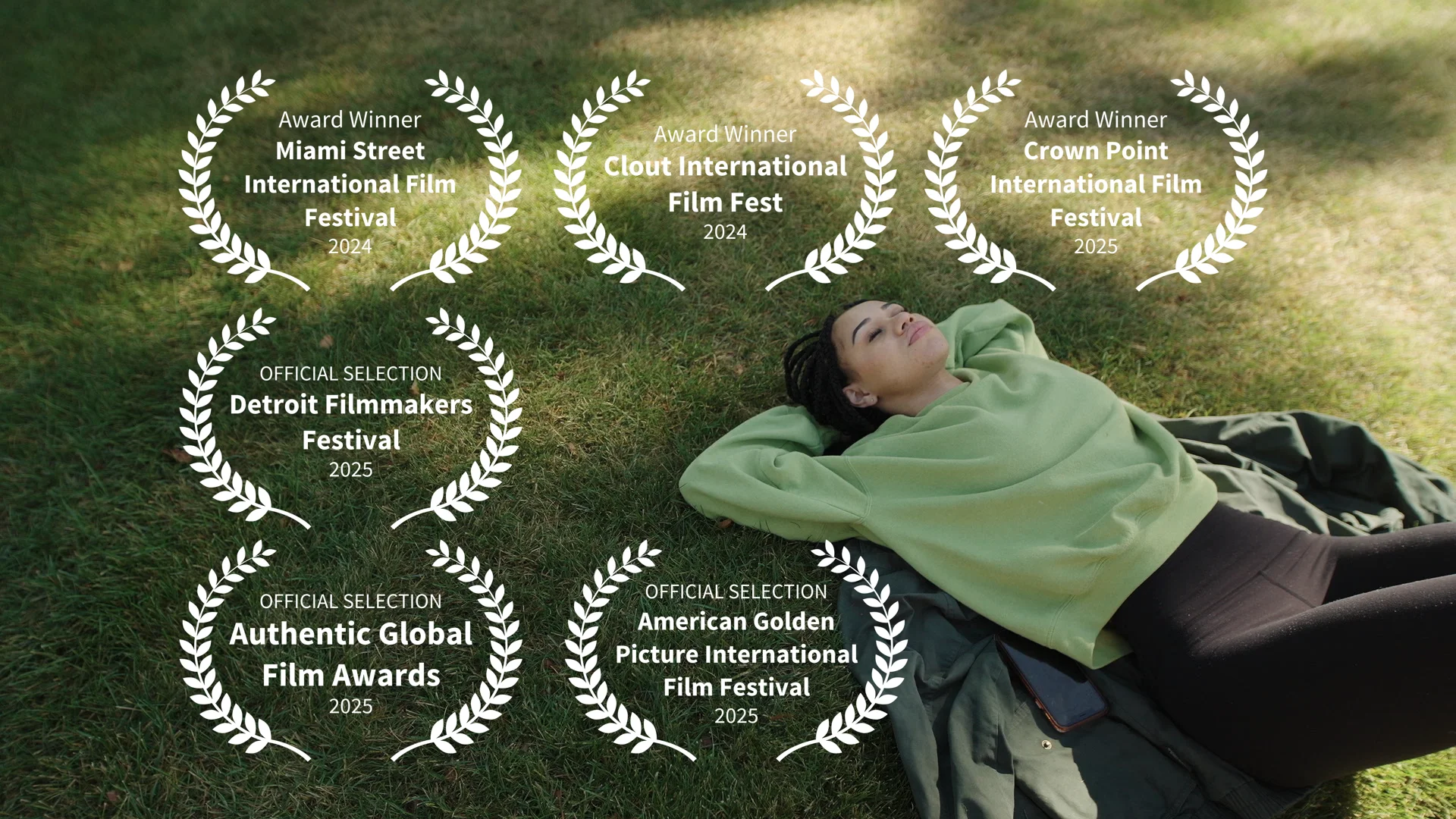
If you crave emotionally driven, award-winning storytelling — our debut feature Harmony in Motion delivers. Our first feature film Produced in house with our partnered company 5th Media.
Notable projects of the month! 🎦
#1: Brielle & Liam
So this project is #1 on our notable project list! Beautifully shot, heartfelt, relatable, and phenomenal pacing.
#2: Harmony In Motion (Trailer)
🖐 Executively Produced By 5th Media, DPG Cinema, one and only Film Director/Producer Linda Mendoza, and Director of various independent films, Lemarze Smith.
Experience the emotion and artistry of Harmony in Motion, an award-winning indie film exploring the journey of self-discovery.
#3: ANORA (Trailer)
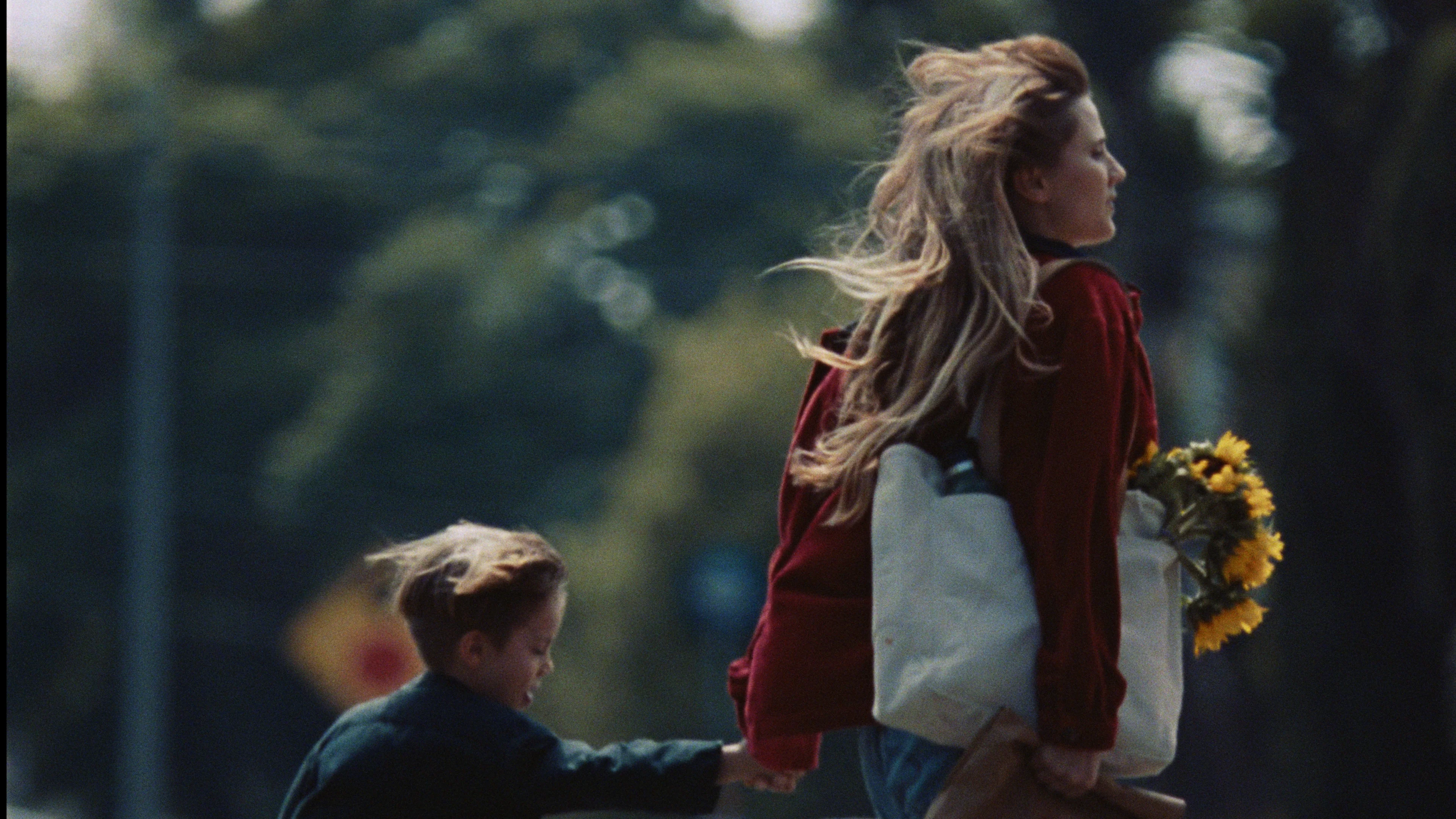
A young free girl from Brooklyn meets and impulsively marries the son of a Russian oligarch. Once the news reaches Russia, her fairy tale is threatened as his parents set out for New York to get the marriage annulled.
Director/Writer: Sean Baker
DP: Drew Daniels
Submit your film project.
Put ‘SUBMIT DPGCinema’ in the subject.
The Shot Is the Easy Part. The Hard Part Is This…
Filmmakers and Content Creators want the perfect shot
That silky bokeh. The golden backlight. The camera move that makes people say, “Dang, that’s clean.”

But truthfully?
The shot is the easy part.
The hard part is what happens before the camera ever rolls.
Great cinematography doesn’t start with your lens — it starts with your logic. If your setups don’t have purpose, you’re not filming…
You’re just capturing.
This is where a lot of filmmakers fall short.
They spend hours tweaking a LUT, but skip the work of defining mood, contrast, or spatial relationships.
They obsess over camera bodies but ignore blocking.
They light a scene beautifully — but it’s emotionally disconnected from the story.
Professionals think before they shoot. And their prep reflects it.
Here’s what most amateurs skip (but pros live by):
🔍 Visual References - Not just pretty frames — but intentional references tied to emotion, tone, or character psychology.
🎭 Blocking Diagrams - Every movement has meaning. Blocking is the language your actors speak through space.
💡 Mood-to-Gear Breakdown - Lighting isn’t about exposure. It’s about storytelling.
You should know why you’re using a practical, or when to motivate a top light.
🎧 Audio Game Plan - Too many short films look good but sound weak. Real prep includes mic placement, ambient considerations, and ADR backups.
🧰 Contingency Plans - What’s your plan if you lose 3 hours of daylight? What happens if your wireless video dies? Pros build options into their workflow.
This is what I call being a Director of Preparation.
When you prep like a cinematographer and a storyteller, everything downstream becomes easier:
Your crew trusts you.
Your actors feel protected.
Your editor loves you.
And your film feels intentional — not improvised.
Why This Matters for Filmmakers, Content Creators, and All Creatives
Whether you're a filmmaker, content creator, or any type of creative, preparation is your superpower.
Filmmakers: Proper prep ensures your vision is executed flawlessly, saving time and resources on set.
Content Creators: Planning your content strategy, scripts, and visuals leads to more engaging and consistent output.
All Creatives: A well-thought-out plan allows for greater creative freedom and reduces the stress of last-minute decisions.
In essence, preparation transforms your creative ideas into impactful realities.
🎥 Top YouTube Videos to Enhance Your iPhone Filmmaking and Preparation Skills
To help you get started, here are some excellent YouTube resources:
iPhone Filmmaking Masterclass: Pro Tips for Beginners
A comprehensive guide to shooting professional videos with your iPhone.
How to Create a Content Plan for Social Media!
Get started today!
Submit your film project.
Put ‘SUBMIT DPGCinema’ in the subject.
Business & Creative Q&A
Ask A Pro 🎥
Question #1:
How do you price your cinematography or video production work when a client says, “We don’t have a big budget” — but they still want high production value?

The key is value-based pricing with clear deliverable tiers. Start by asking about their goals — not just their budget. Then offer three options:
Basic: Minimal crew, natural lighting, one location. Clean and professional, but simple.
Standard: Full lighting package, small crew, one camera op + assistant, branded graphics.
Premium: Multiple shoot days, full crew, post effects, original score, BTS content, etc.
Frame it like this: “Instead of just cutting costs, let’s find a creative way to deliver something impactful within your range.”
That way, you're not haggling — you’re leading.
Question #2:
As a freelance filmmaker, how much of your income should you reinvest into your business — and how do you avoid going broke doing it?

It depends on your goals. Growth doesn’t always mean buying new gear or upgrading software — sometimes growth is building a cash pile so you can take on riskier, passion-driven projects later or survive dry seasons without stress.
That said, a smart baseline looks like this:
50% = Pay yourself (rent, food, basic savings)
20–30% = Reinvestment — if growth is the goal, spend this on marketing, equipment, team, or training
10–15% = Taxes (set this aside automatically)
10–15% = Financial buffer (not just an emergency fund — this is your freedom fund)
Ask yourself: “Do I want to grow by scaling my output, upgrading tools, or growing my financial runway?”
Each path requires a different kind of reinvestment — and knowing the difference is how you stay in the game long term.
Set The Tone!
See The Behind The Scenes!
Minecraft Film BTS
The ONE-SHOT Explained
Submit your BTS Photos/Videos & we will share!
Industry News 📰
Calgary Film Industry Optimistic for recover after North America-Wide Slowdown. Read Here
Lionsgate Teams With ‘Pitch Perfect’ Producer Paul Brooks & ‘It: Welcome To Derry’ Co-Creator For Survival Horror ‘Rats!’ About New York Infestation — Cannes Market. Read More
Thank you for reading! Please share with a friend!
Follow Gene Wilson V
Cinematographer & Creator of DPG Cinema.